
Protect specialty green coffee against moisture, oxygen and storage pests with vQm Modified Atmosphere Packaging for FIBCs, pallets and jute bags.
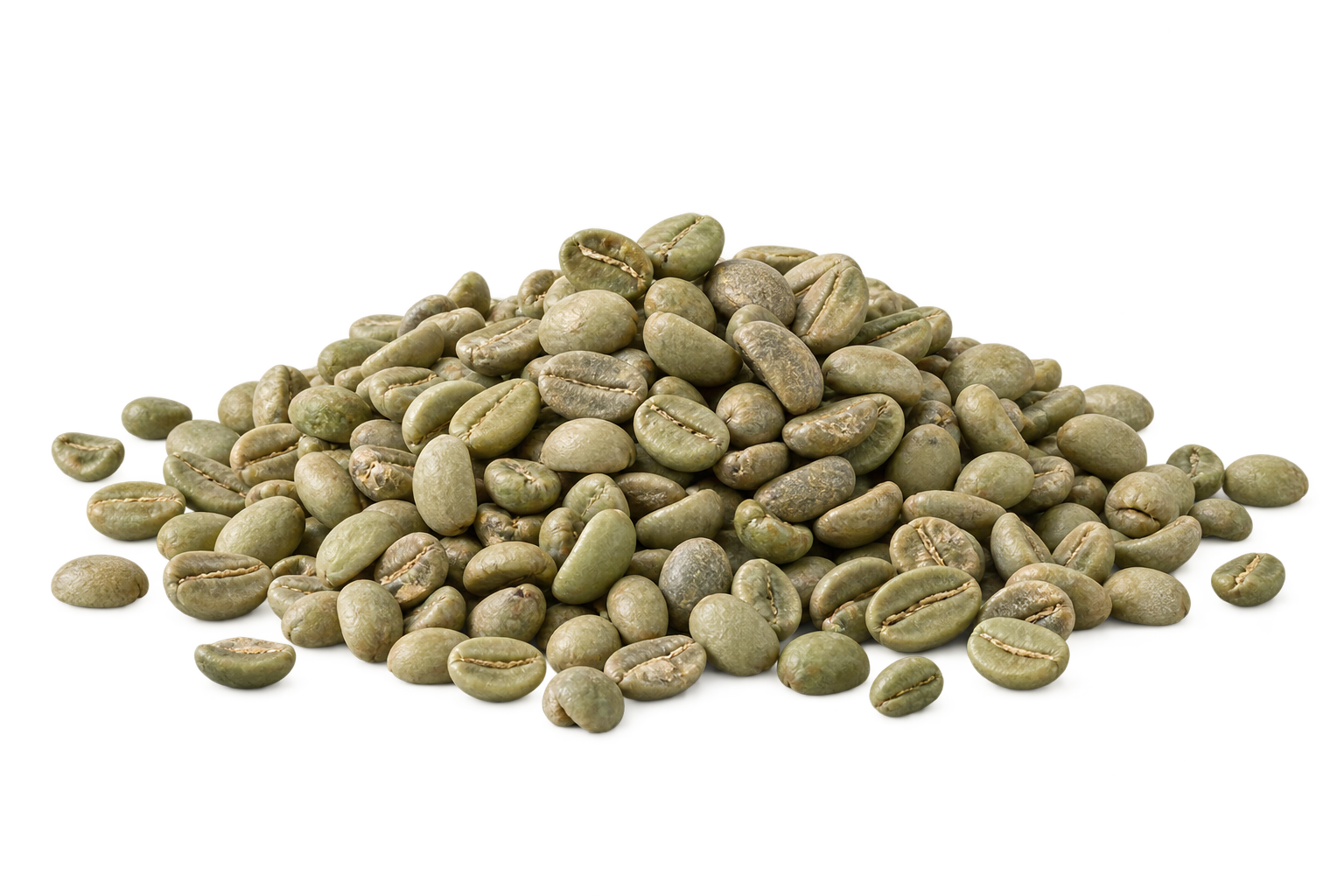
vQm Modified Atmosphere Packaging (MAP) protects green coffee shipments against quality degradation during storage and long-distance transport:
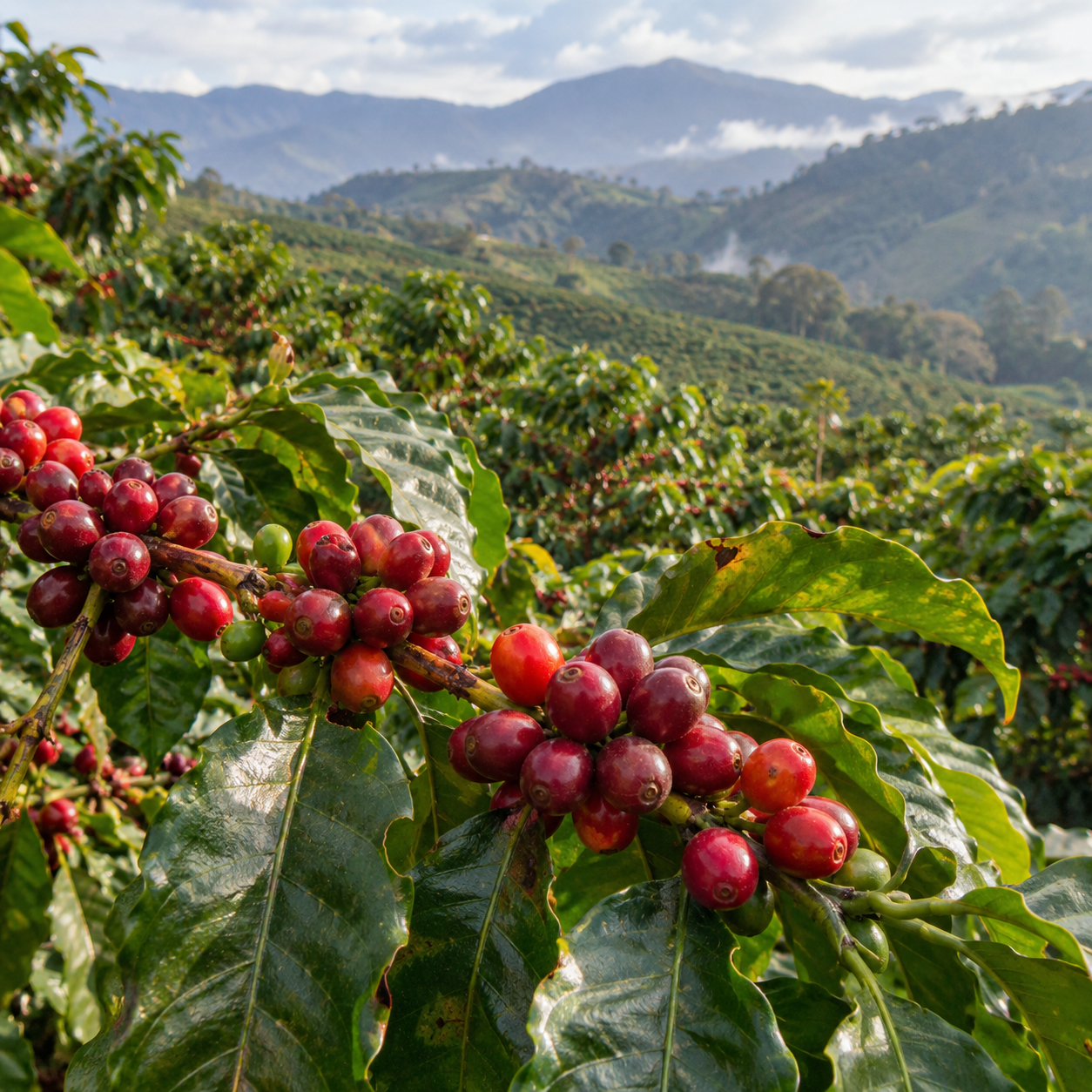
The quality and value of specialty coffee are created long before the beans reach the roaster.
Careful cultivation, selective harvesting, controlled fermentation, drying and grading all contribute to the final cupping profile. However, green coffee may spend weeks or months in warehouses, ports and shipping containers. Without the right packaging, the quality may gradually deteriorate.
For generations, traditional jute bags have been the backbone of the global coffee trade. However, as the market shifts toward high-scoring specialty coffees and stricter organic standards, the demand for quality-preserving storage and transport has reached a whole new level.
Standard jute bags and basic liners are made for handling goods rather than preserving their quality. Their limited barrier properties leave green coffee exposed to changing humidity, temperature fluctuations and oxygen during storage and transport.
For commercial coffee, a limited change in quality may sometimes be accepted. For high-scoring specialty coffees, valuable micro-lots and organic products, even a small loss of aroma, colour or cupping quality can lead to downgrading, customer complaints and a substantial loss of value.
Green coffee is highly susceptible to insect outbreaks, such as the coffee bean weevil and coffee berry borer. Conventional control may involve chemical fumigation, which can be undesirable for organic or residue-sensitive supply chains.
Extreme temperature drops during shipping cause condensation and moisture ingress, leading to mould formation, discoloration and musty flavors.
Exposure to oxygen causes lipid oxidation in the bean’s essential oils (which make up 10–17% of the bean). This process gradually ages the coffee reducing the aroma intensity, acidity, fruitiness and overall cup quality.
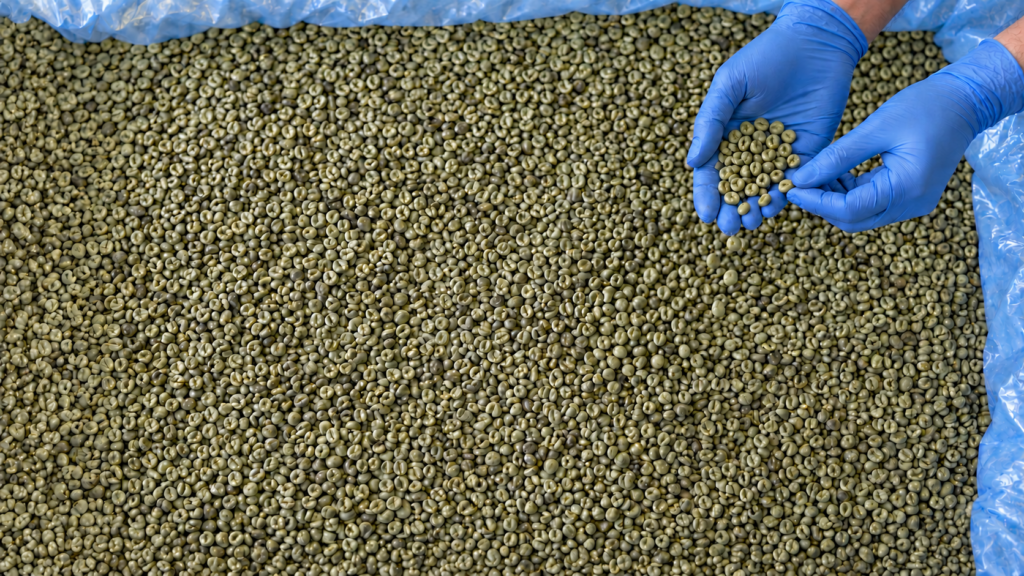
vQm Modified Atmosphere Packaging (MAP) protects the origin quality and extends shelf life by creating a stable, protective environment around the green coffee during storage and transport by extracting the oxygen and replacing it with or .
Correct drying and product inspection remain essential, as MAP cannot correct coffee that is already too moist or damaged.
By applying Modified Atmosphere Packaging at semi-bulk level, coffee producers, exporters, and roasters can extend shelf life and preserve green coffee quality.
Flushing bags with or naturally eliminates all insects across all life stages (eggs, larvae, pupae, and adults), removing the need for harmful pesticides like phosphine.
vQm high-barrier liners limit moisture exchange with the external atmosphere, helping to maintain the moisture content and water activity established before packing. This reduces the risk of rehydration, condensation-related damage and mould development.
A six-month study by Ghent University found that high-barrier vacuum packaging effectively avoids moisture uptake in green Colombian coffee, even when stored under the conditions of 30 °C and 90% relative humidity.
By maintaining an ultra-low oxygen atmosphere and limiting external oxygen ingress, the vQm system slows lipid oxidation. This supports the preservation of origin characteristics such as the green colour, aroma, vibrant acidity, and fruitiness during storage and transport.
Independent long-term research (Diaz-Arango et al., 2026) comparing traditional fibre packaging with high-barrier film packaging found that green coffee in fibre bags saw its SCA score declined from 84.35 to 73.25 over 450 days, while coffee in all evaluated high-barrier films maintained its premium status above 80. These findings support the use of high-barrier liners as a core component of the vQm MAP system.
By extending shelf life and preserving quality it gives more flexibility when products are shipped or sold based on demand, logistics or market conditions are more favourable.
Designed for efficient vacuum and gas flushing of full big bags and wrapped pallets.
A reliable seal is essential for maintaining the modified atmosphere inside the packaging. The recommended sealer depends on the selected packaging option.
Designed to measure and verify MAP conditions. Measuring the and CO₂ concentrations supports quality assurance and confirms that the required MAP conditions have been achieved.
To transport semi-bulk green coffee, we recommend the following packaging,
All packaging is designed with the vQm valve sealed inside (that enables efficient gas flushing through one secure connection point at amazing speed) Explore the vQm Two-Way Valve →
Its form-stable square design reduces bulging and helps maximise the use of available storage and container space.
If you prefer using palletised sacks, boxes or other existing cacao packaging, you can stack them on pallets and enclose the entire unit in a vQm Wrapping Liner or a Hood liner in case an automated palletizer is used. This protects whole shipments at once without altering your existing bagging process.
For optimal preservation, green coffee should be packed at a Moisture Content (MC) of 10–12% and Water Activity ( ) between 0.50–0.60. Under MAP, oxygen levels should be kept below 3% and or levels maintained between 40–60% for effective pest control and freshness retention.
By flushing the high-barrier bags of vQm Packaging with elevated (>40%) and ensuring that a level of at least 35% is maintained for minimum of 15 days, during which the product temperature is at least 25 degrees Celsius, all life stages of insects can be eradicated (eggs, larvae, pupae, and adults). A lower product temperature requires longer exposure time and/or a higher concentration.
Yes, nitrogen and CO2 are natural gases that are commonly used for food preservation and suitable for organic products as well.
Yes! You do not need to abandon jute bags. You can place pallets stacked with filled jute bags directly inside a vQm Wrapping Liner or Hood Liner. The liner is then gas-flushed and sealed through the vQm valve, giving traditional jute bags full barrier protection against climate and oxidation.
With the patented vQm two-way valve and the High-Speed Vacuum Unit, a full pallet-sized FIBC or wrapped pallet can be vacuum-sealed and gas-flushed typically within 3 to 5 minutes, preventing any bottlenecks in high-volume warehouse logistics.
Protect your specialty coffee quality from origin to destination while maximizing your container loading capacity.